Introduction
Cryptocurrency provides individuals with the power to control their digital assets independently, free from banks or centralized institutions. While this independence is empowering, it comes with responsibility. One of the most critical aspects of managing cryptocurrency is ensuring secure access to your wallet. Without proper security, private keys can be exposed, putting your assets at risk of permanent loss.
Trezor is a hardware wallet that protects your cryptocurrency by storing private keys offline. Logging into Trezor ensures secure management of your assets and transactions. Understanding how Trezor login works, and following best practices, is essential for anyone looking to safely manage cryptocurrency.
This guide offers a complete walkthrough of the Trezor login process, account management, authentication methods, and security practices for both beginners and advanced users.
What is Trezor Login?
Trezor Login refers to the process of accessing your Trezor wallet through Trezor Suite or other supported applications. It ensures that you can view your cryptocurrency accounts, send and receive funds, and monitor your portfolio securely.
Unlike web-based wallets, Trezor login requires a hardware wallet to confirm actions, keeping private keys offline. This physical confirmation makes it extremely difficult for hackers to gain unauthorized access, even if your computer is compromised.
Key Features of Trezor Login:
Access multiple cryptocurrency accounts securely
Send and receive digital assets with device confirmation
Use recovery seeds to restore access if needed
Enable passphrase protection for enhanced security
Track portfolio balances and transaction history
Trezor Login is designed to be both secure and user-friendly, combining offline key storage with an intuitive interface.
Step 1: Preparing Your Trezor Device for Login
Before logging in, ensure your Trezor hardware wallet is set up and initialized. If you have not yet set up your Trezor, you will need to:
Connect your Trezor device to a computer or mobile device.
Set a secure PIN to prevent unauthorized access.
Write down your recovery seed and store it offline.
Confirm the recovery seed to ensure accuracy.
These steps protect your wallet from unauthorized access and ensure that you can recover your funds if your device is lost or damaged.
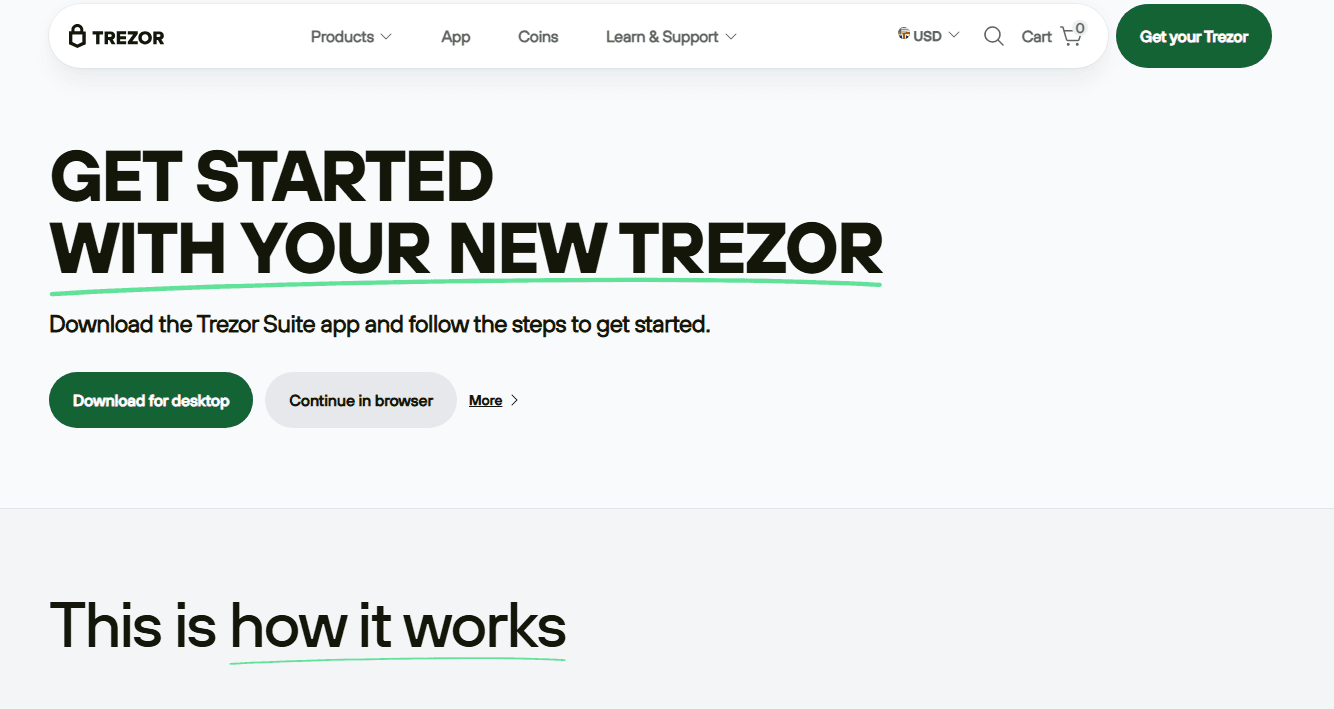
Step 2: Installing Trezor Suite
Trezor Suite is the application used to manage your accounts and login securely. To prepare for Trezor login:
Download Trezor Suite for your operating system.
Install the application by following the on-screen instructions.
Open Trezor Suite and connect your Trezor device.
Trezor Suite serves as the central hub for accessing your wallet, sending and receiving cryptocurrency, monitoring balances, and updating device firmware.
Step 3: Logging into Your Trezor Wallet
Once your device is ready and Trezor Suite is installed, you can log in to your wallet.
Steps to log in:
Connect your Trezor hardware wallet to the computer or mobile device.
Open Trezor Suite and select “Login.”
Enter your PIN on the hardware device.
Confirm the login on the device if prompted.
Once authenticated, you will gain access to your accounts and portfolio overview.
Logging in requires physical interaction with the device, ensuring that private keys remain offline and protected from online threats.
Step 4: Managing Accounts After Login
After logging in, you can manage multiple cryptocurrency accounts through Trezor Suite.
Adding and managing accounts:
Navigate to the “Accounts” section.
Add accounts for the cryptocurrencies you wish to manage.
Review balances, transaction history, and account details.
Repeat for multiple cryptocurrencies as needed.
Trezor login allows you to access all accounts securely from one interface, providing a centralized view of your portfolio.
Step 5: Sending and Receiving Cryptocurrency
Trezor login also allows secure transactions.
Sending cryptocurrency:
Select the account to send from.
Enter the recipient’s address and amount.
Confirm the transaction on your Trezor device.
Receiving cryptocurrency:
Select the account to receive funds.
Generate a receiving address in Trezor Suite.
Verify the address on your Trezor device before sharing.
Every transaction requires physical confirmation on the device, preventing unauthorized transfers and keeping private keys offline.
Security Best Practices for Trezor Login
Ensuring secure login is essential to protecting cryptocurrency. Best practices include:
Keep Your PIN Private: Never share your PIN or write it down online.
Use Recovery Seeds Carefully: Store recovery seeds offline and never enter them into a computer or online form.
Enable Passphrase Protection: Add an additional layer of security for sensitive accounts.
Verify Transaction Details: Always check addresses and amounts on the Trezor device before confirming.
Update Firmware Regularly: Ensure the device is updated to maintain security features.
Following these practices ensures that your wallet and digital assets remain protected from unauthorized access.
Troubleshooting Common Login Issues
Even with proper setup, users may encounter occasional issues. Common problems include:
Device Not Recognized: Check USB connections and ensure Trezor Suite is updated.
PIN Entry Errors: Restart the device and enter the correct PIN.
Login Failures: Disconnect and reconnect your device, then retry login.
Forgotten PIN: Restore access using your recovery seed.
Transaction Errors: Verify network settings and confirm addresses on the device.
Most issues can be resolved without compromising security, provided you follow Trezor’s recommended procedures.
Advanced Login Features
For experienced users, Trezor login offers advanced features:
Passphrase-Protected Accounts: Create multiple wallets under a single recovery seed.
Multi-Account Management: Efficiently manage accounts across multiple cryptocurrencies.
Portfolio Tracking: Monitor balances and total portfolio value in real-time.
Firmware Updates: Securely update the device to benefit from the latest security enhancements.
These features provide flexibility, better control, and enhanced security for users managing a diverse range of assets.
Benefits of Secure Trezor Login
Trezor login provides multiple advantages for cryptocurrency users:
Private Keys Remain Offline: Physical device confirmation prevents unauthorized access.
Secure Authentication: PIN entry and optional passphrases provide layered security.
Centralized Management: Trezor Suite allows access to multiple accounts from a single interface.
User-Friendly Interface: Simplifies account management even for beginners.
Enhanced Security Features: Firmware updates, transaction verification, and passphrase protection.
By combining offline storage with robust login procedures, Trezor ensures maximum security for cryptocurrency users.
Conclusion
Trezor login is an essential part of safely managing cryptocurrency. By following proper procedures, users can access their wallets, manage multiple accounts, and perform secure transactions without compromising security.
With physical confirmation required for every login and transaction, private keys remain offline, reducing exposure to online threats. Using Trezor login in combination with best practices—PIN protection, recovery seed management, passphrases, and firmware updates—ensures a secure and reliable experience.
Trezor login is more than just accessing a wallet. It is a gateway to securely managing your digital assets, providing confidence and control in the rapidly evolving cryptocurrency ecosystem. Whether you are a beginner or an experienced user, following these steps guarantees that your cryptocurrency remains safe and accessible whenever you need it.