Introduction
Cryptocurrency has transformed the way people manage and control their finances, offering independence from traditional banking systems. However, this freedom requires users to take responsibility for securing their digital assets. One of the most critical aspects of cryptocurrency security is safeguarding access to your wallet. Losing or exposing private keys can result in permanent loss of funds.
Trezor, a leading hardware wallet, is designed to secure cryptocurrency by keeping private keys offline. Logging in to your Trezor wallet ensures that you can safely access your funds, monitor balances, manage accounts, and perform transactions. Understanding how Trezor login works, and following recommended security practices, is essential for anyone managing digital assets.
This guide provides a complete walkthrough of Trezor login, including device setup, authentication, account management, transaction processes, and best practices to maintain maximum security.
What is Trezor Login?
Trezor login refers to accessing your cryptocurrency wallet using a Trezor hardware device in combination with Trezor Suite. Unlike online wallets, Trezor requires physical interaction for login and transaction confirmation. This ensures that private keys remain offline, significantly reducing the risk of hacking or malware attacks.
Key features of Trezor login include:
Secure access to multiple cryptocurrency accounts
Ability to send and receive funds safely
Authentication through PIN and optional passphrases
Recovery of wallet access using a seed phrase
Real-time monitoring of balances and transactions
Trezor login is designed to be both secure and user-friendly, giving beginners and advanced users confidence in managing digital assets.
Step 1: Preparing Your Trezor Device
Before logging in, ensure your Trezor hardware wallet is properly set up.
Device preparation steps include:
Connecting the Device: Use a USB connection to link your Trezor wallet to a trusted computer or mobile device.
Setting a PIN: Create a strong PIN to prevent unauthorized access.
Recording Your Recovery Seed: Trezor generates a recovery seed—a series of 12, 18, or 24 words. Store this seed securely offline, as it is the only way to recover your wallet if the device is lost or damaged.
Verifying the Recovery Seed: Confirm the recovery seed on the device to ensure it was recorded correctly.
Completing these steps ensures your wallet is secure and ready for login.
Step 2: Installing Trezor Suite
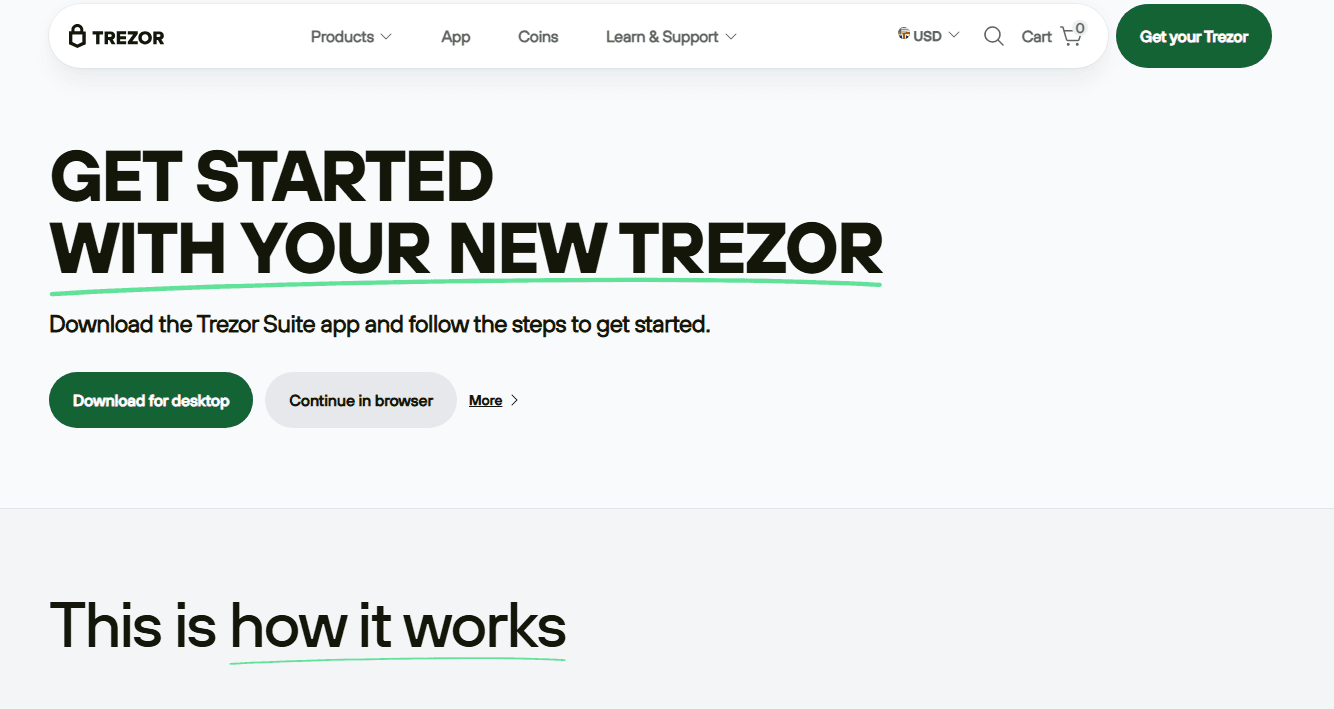
Trezor Suite is the software platform that allows users to log in, manage accounts, monitor balances, and perform transactions.
Installing Trezor Suite involves:
Downloading the version compatible with your operating system.
Following installation instructions on your device.
Launching Trezor Suite and connecting your Trezor wallet.
Choosing whether to create a new wallet or restore an existing one using your recovery seed.
Trezor Suite serves as the hub for accessing your wallet, managing multiple cryptocurrencies, and updating device firmware securely.
Step 3: Logging Into Your Wallet
After the device is prepared and Trezor Suite is installed, you can log in to your wallet.
Steps for logging in:
Connect your Trezor hardware wallet to your computer or mobile device.
Open Trezor Suite and select “Login.”
Enter your PIN directly on the hardware device.
Confirm login actions if prompted.
Once authenticated, you will gain access to your accounts and portfolio overview.
Physical confirmation on the device ensures private keys remain offline and protects your funds from potential cyberattacks.
Step 4: Managing Accounts
After logging in, you can manage multiple cryptocurrency accounts through Trezor Suite.
Account management steps include:
Opening the “Accounts” section in Trezor Suite.
Adding accounts for different cryptocurrencies you wish to manage.
Reviewing balances, monitoring transaction history, and managing funds.
Repeating the process for additional accounts as needed.
Trezor login allows users to manage multiple accounts securely from a centralized interface, simplifying portfolio management.
Step 5: Sending and Receiving Cryptocurrency
Trezor login provides a secure method for sending and receiving cryptocurrency.
Sending funds:
Select the account to send from.
Enter the recipient’s address and the amount to send.
Confirm the transaction on your Trezor device.
Receiving funds:
Select the account to receive funds.
Generate a receiving address within Trezor Suite.
Verify the address on the device before sharing it.
Every transaction requires physical confirmation, ensuring private keys remain offline and preventing unauthorized access.
Security Best Practices
While Trezor login provides strong security features, following best practices enhances protection:
Keep Your PIN Private: Do not share your PIN or store it digitally.
Store Recovery Seeds Safely: Keep your seed phrase offline in a secure location.
Use Passphrase Protection: Add an optional passphrase for an additional layer of security.
Verify Addresses Carefully: Always check addresses on your Trezor device before sending funds.
Update Firmware Regularly: Keep your device updated to maintain security and access new features.
Adhering to these best practices significantly reduces the risk of unauthorized access or loss of funds.
Troubleshooting Common Login Issues
Users may encounter occasional login problems. Common issues and solutions include:
Device Not Recognized: Ensure USB connections are secure and Trezor Suite is updated.
Incorrect PIN: Restart the device and re-enter your PIN carefully.
Login Failures: Disconnect and reconnect the device before retrying login.
Forgotten PIN: Use the recovery seed to restore wallet access.
Transaction Errors: Verify network settings and confirm addresses carefully.
Following these steps can resolve most issues without compromising wallet security.
Advanced Login Features
For experienced users, Trezor login offers advanced functionality:
Passphrase-Protected Accounts: Create multiple wallets under a single recovery seed for enhanced security.
Portfolio Monitoring: Track total portfolio value and account balances in real-time.
Multi-Account Management: Efficiently manage accounts across different cryptocurrencies.
Firmware Updates: Update the device securely to access new features and security improvements.
These features provide flexibility and greater control for users managing complex cryptocurrency portfolios.
Benefits of Trezor Login
Using Trezor login offers numerous advantages:
Offline Key Storage: Private keys never leave the hardware wallet.
Secure Authentication: PIN entry and optional passphrases add layers of protection.
Centralized Management: Access multiple accounts through one interface.
User-Friendly Interface: Simplifies wallet management for beginners.
Enhanced Security: Physical confirmation, firmware updates, and transaction verification keep assets safe.
By combining offline security with an intuitive interface, Trezor login ensures control, safety, and convenience.
Conclusion
Trezor login is a critical component of secure cryptocurrency management. Proper login procedures allow users to safely access wallets, manage accounts, and perform transactions without compromising private keys.
Every login and transaction requires physical confirmation on the device, keeping private keys offline and reducing exposure to online threats. By following best practices—including secure PINs, offline recovery seeds, optional passphrases, and firmware updates—users can confidently manage their cryptocurrency assets.
Trezor login is more than a way to access your wallet—it is a gateway to securely managing digital assets. Whether you are new to cryptocurrency or an experienced investor, following these steps ensures that your assets remain safe, accessible, and well-managed.